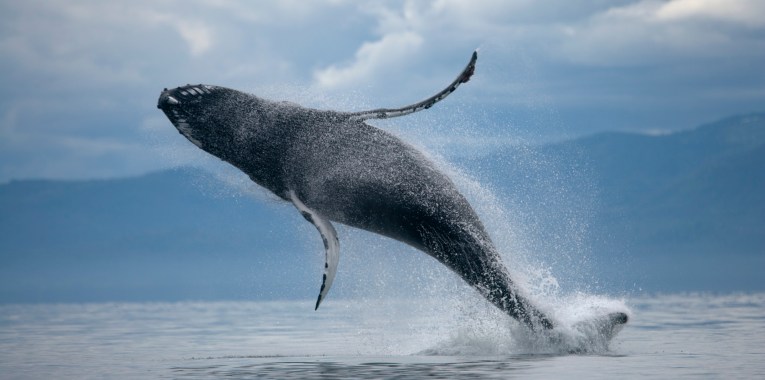
What is it about whales that fascinates us? Where does one begin? For me, I’ve always loved majesty of these amazing creatures and apparently so does our culture which waxes and wanes with stories, art and pop culture.
Perhaps the most famous whale of all, Moby Dick, painted these creatures out to be fearsome more than anything.
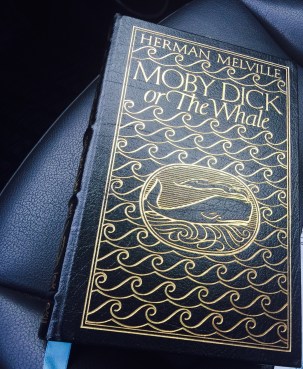
Art further fed into this notion of Whales as villains.. or least aggressors.

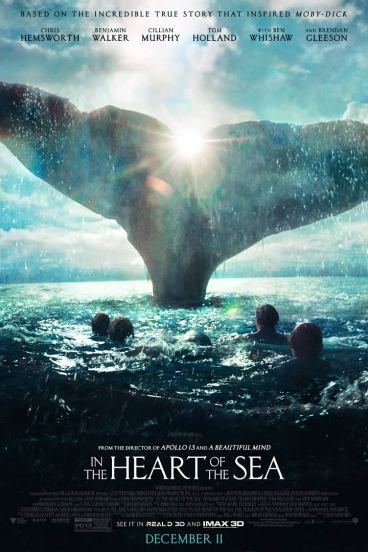
Maybe these whales had a point about fighting back. According to an April 16, 2016 NY Times article, by James Nestor “in the past 150 years, humans have killed off about 70 percent of the sperm whale population. Around 360,000 remain. That number is expected to decline, perhaps precipitously, as the ocean warms and acidifies.” What a horrible thought.
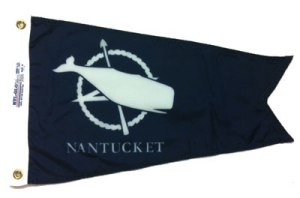
And the whaling industry (yes, it’s an industry!) actually dates back to prehistoric times, and hit a high in the Northeast Atlantic in the 18th century. In Nantucket– whose present day “coat of arms” is a harpooned whale-it was a highly lucrative deep sea industry.
A Conversation With Whales— the article mentioned above– is a beautifully written op-ed piece in the New York Times, with an accompanying virtual-reality film, “The Click Effect.” I watched it on my iPhone and was mesmerized.
The highlight of the article is that James did a series of free dives (that is, without oxygen tanks) to commune with these amazing creatures, and from these efforts, he learned a lot more about them.
I held my breath and swam deeper, 10, 20, 30 feet. I heard a thunderous crack, then another, so loud they vibrated my chest. Below my kicking feet, two sperm whales emerged from the shadows, each as long as a school bus.”
..As we kicked down deeper, within just a few feet of the mother whale’s gaping mouth, the click patterns changed, becoming slower, softer…The whales were probably introducing themselves. They were saying hello.
Apart from the awe of simply the idea of being as close as Pinocchio, was the knowledge that the author imparted:
Sperm whales’ brains are the largest ever known, around six times the size of humans’. They have an oversize neocortex and profusion of highly developed neurons called spindle cells that, in humans, govern things like emotional suffering, compassion, and speech.
Interestingly, we fund so much exploration outside of the earth in a search for intelligent life, when in fact, our own oceans are teeming with it.
We chose to name the first floor suite the Whaleback room, in homage to these incredible, misunderstood beings. Beings that I hope will thrive for another millenia– in all their glory. Perhaps the NY Times article is the beginning of a deeper understanding, dialogue, and solution?


 Vacation Home Rentals- Saugatuck and Fort Lauderdale